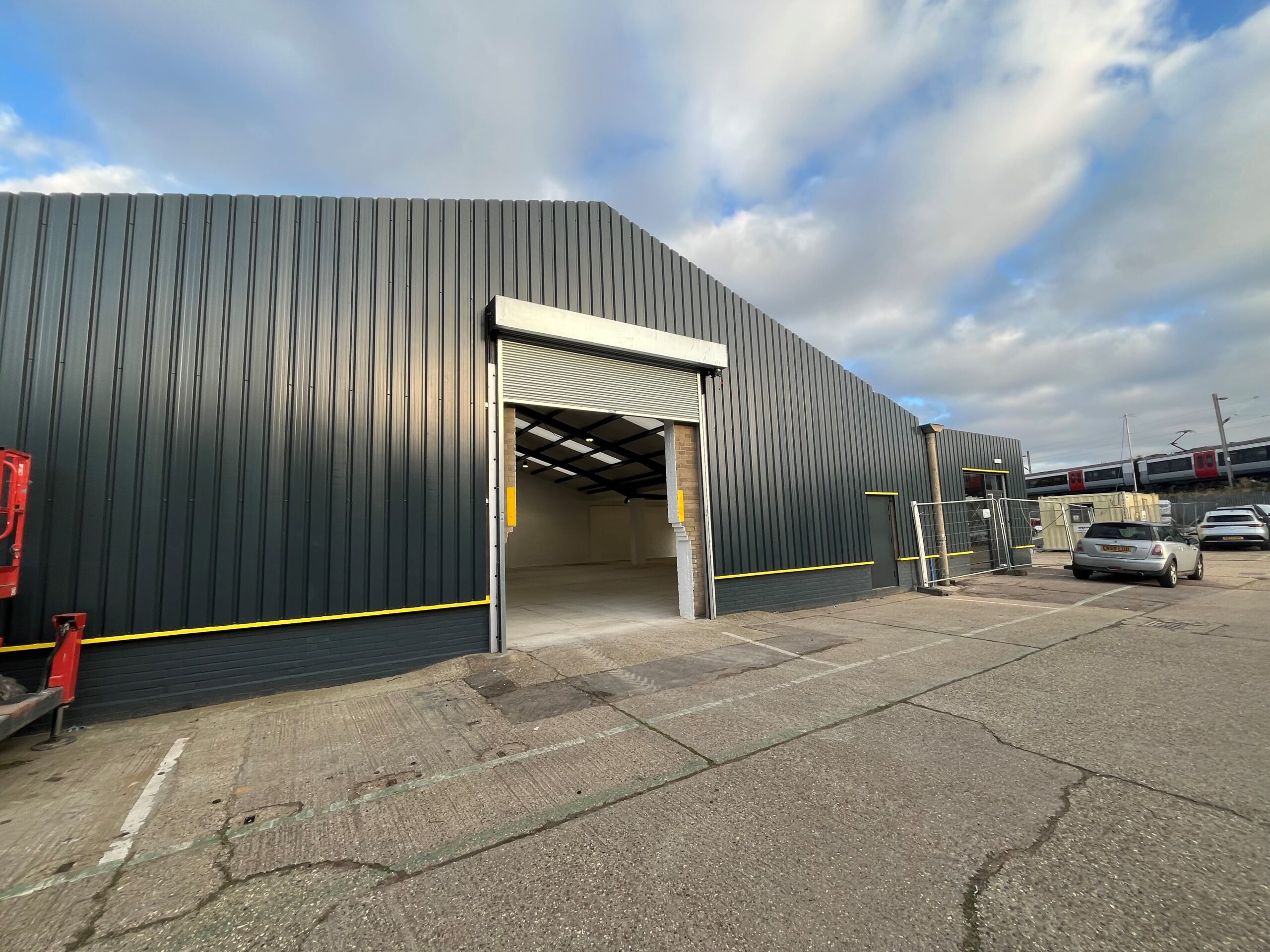
The most successful commercial landlords understand every aspect of business letting, from building specs to marketing to legal. They maximise their investment by securing high-quality tenants while minimising costs.
To help you succeed in this competitive market, our team of commercial letting agents has compiled this quick and expert guide to the lettings process.
Whybrow’s commercial lettings agents combine extensive experience with local market knowledge to support landlords and investors across Essex, East Anglia, Suffolk, and Greater London with reliable, professional property services.
What is Commercial Property Letting?
Commercial property letting involves granting a tenant the right to occupy a business premises(an office, retail, or industrial unit) for a set periodunder alegally binding agreement.This contract is most commonly called a “Lease”.
Other legal arrangements like “Licences” (occupancy without creating tenancy rights) or “Tenancies at Will”(short-term, flexible agreements), may apply in specific circumstances.
The contract binds the landlord to fulfil certain obligations. These might include:
- Repairs
- Maintenance
- Notifications
- Reinstatement
- Regulatory compliance
The most common lease structure,FRI (Full Repairing and Insuring), passes most of the repair/ maintenance/ insurance obligations onto the tenant – great for landlords!
Residential landlords new to commercial lettings should understand the differences between the two sectors. Here is a quick rundown:
| Feature | Commercial Lettings | Residential Lettings |
| Lease duration | Multi-year (5-20 years) | Often 6-12 months |
| Legal complexity | More detailed and negotiable | Standardised agreements |
| Rent & Deposits | Usually paid quarterly in advance; fewer restrictions on deposits | Usually paid monthly, with strict regulations on deposit amounts and tenancy deposit schemes (TDS) |
| Rent reviews | Periodic, market-based | Rare or fixed. Increases to be limited to once a year. |
| Repair obligations | Usually the tenant (FRI lease) | Landlord legally responsible for repairs and maintenance and building insurance |
| Regulatory requirements | Goverened by Contract law, more complex | Consumer protection laws, specifically the new Renters’ Rights Act effective May 2026 enhances tenant rights. |
The Commercial Lettings Process: 9-Step Guide
Letting commercial property in the UK involves several stages.
Here, we highlight 9 essential steps landlords should follow:
1. Preparing the property
The first step is to make the property ready for occupation. Ensure it is appealing to tenants, showcasing clearly what the space offers. Focus on:
- Essential repairs and compliance checks (e.g., Energy Performance Certificate, fire safety)
- Meeting sector-specific expectations
- ‘White boxing’ (stripping retail and office spaces back to basics) to allow the tenant to customise the fit-out for their business purposes
- Potentially offering the tenant a rent-free incentive in exchange for them carrying out mutually agreed-upon works
2. Rent and lease terms
The right rent and lease terms are crucial to achieve a viable return on your asset without incurring unnecessary expenses. Ensure your asking rent is profitable for you, but also competitive in the marketplace:
- Benchmark the rent against accurate local market comparables
- Carefully consider the lease duration and the rent review cycle (e.g., 3 years)
- Clearly define the repairing obligations. It’s best to negotiate an FRI lease, making the tenant responsible for the majority of repairs and insurance
3. Appointing a commercial letting agent
A good commercial letting agent can be a tremendous asset in this process. Experienced professionals like Whybrow Commercial bring real value, such as:
- Detailed knowledge of the local market, including trends, pricing and comparables
- Reduced voids forsecuring tenants faster
- Exclusive contacts and access to blue-chip companies and insider knowledge of their commercial property requirements. We can help to connect you with a quality tenant quickly.
4. Marketing the property
Effective marketing requires professional presentation and smart strategies to reach your target audience. We’re talking:
- Listings on major commercial portals
- High-quality brochures, photography, and videos
- Targeted social media and email campaigns
- Selected outreach to appropriate potential occupiers in your agent’s network
5. Managing enquiries and viewings
Enquiries and viewings are an early opportunity for:
- The landlord to assess tenantsuitability
- Potential tenants to view and evaluate the space
Agents handle the initial screening, host viewings, and feedback. They also help to gather essential documentation from interested parties.
To make sure a potential tenant is reliable and can comfortably meet the lease terms, it’s a good idea to check:
- ID verification
- Financial standing,including credit checks
- An established, reputable online presence can also provide assurance
6. Negotiating Heads of Terms
The Heads of Terms document is a pre-legal agreement summarising the key aspects of the deal. It clarifies terms like:
- Lease type – e.g., FRI or IRI(Internal Repairing and Insuring)
- Duration
- Rental and deposit
- Repair obligations
- Break clauses
- Rent review periods
- Service charges
- Any guarantees
Perfecting the Heads of Terms will minimise misunderstandings and disputes as solicitors move forward with the formal contracts.
7. Legal process and due diligence
Solicitors draw up the lease and carry out due diligence, including:
- Tenant’s legal ID documentation
- Compliance with statutory requirements, including zoning, energy, and safety regulations
- Verification that any specific pre-conditions are met (e.g., roof insulation is upgraded)
- Final reference checks(if applicable)
8. Completing the lease
The completion stage involves the signing of all lease documentation and collecting the initial deposit and advance rental.
Before your agent hands over the keys:
- Ensure you hold a property inventory to avoid future disputes
- Record utility metre readings
You should also notify the local authority of a change in tenancy so they can update their records for business rates purposes.
9. Ongoing landlord responsibilities
For properties under an FRI Lease, the tenant is responsible for most day-to-day repairs and upkeep. As a landlord, your duties are typically:
- Rent collection.
- Administration and recharge of service charges.
- External repairs (in the case of IRI leases).
- Overall property investment oversight.
- Lease renewal preparation.
Commercial properties often require more expert management due to complex, bespoke agreements, whereas residential property management is more heavily focused on statutory compliance.
For peace of mind, many landlords engage commercial property management services to handle this administration professionally and efficiently on their behalf.
Speak to Whybrow About Your Commercial Property Lettings UK
As a leading commercial letting agency in the Greater London and Essex region, Whybrow has provided property businesses with trusted, valued expertise for 35+ years.
Our passionate, experienced team offers agency, surveying, property management and valuation services as well as land and building investment advice.
For a one-stop solution for all your commercial property needs, get in touch through our website or call 01206 577 667 today.